Medicaid Cuts Are Coming
Cuts result in understaffing, shortages and closures, which affect everyone. Without consistent access to nearby care, seniors, veterans and children go without essential services.
When people lose healthcare coverage, they are forced to avoid routine doctor’s visits. This leads to more expensive emergency room visits and hospitalizations.
-
A partnership between the federal government and states that provides medical insurance and services for children in low-income households, seniors, people with disabilities, and others with limited income. Medicaid is paid directly to care providers, not to individuals.
Why Medicaid Matters
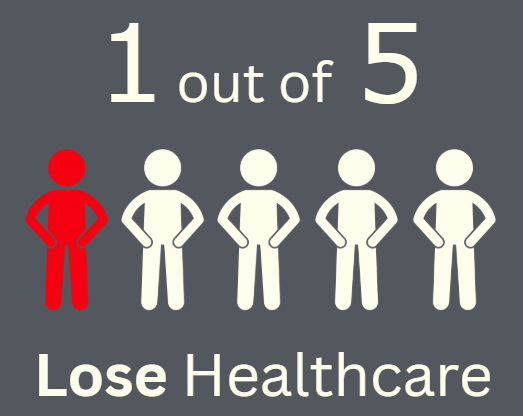
In 2024, 8% of the federal budget was allocated to Medicaid, which serves around 80 million people, or one in five Americans.
About 1 million people in nursing homes rely on Medicaid. Funding cuts could lead to the closure of facilities, resulting in staff layoffs, homelessness for non-Medicaid residents, business losses for suppliers, and increased unemployment.
Approximately 27 million children rely on Medicaid for essential medical care, long-term support, and disability services. Many of these critical services could disappear, exposing children to preventable diseases and leaving families of disabled children to navigate challenges without necessary support.
Pregnancy care for low-income individuals will be reduced, resulting in more avoidable infant deaths and maternal deaths from pregnancy complications.
Hospitals and doctors won't be reimbursed for services to low-income individuals who can't pay, shifting costs to other patients and insurers. This will lead to higher expenses for all seeking care, and if costs can't be absorbed, hospitals will have to limit services, cut staff, or close, especially in rural areas.
States will have to find funds to continue Medicaid services, leading to higher state income and/or sales taxes.
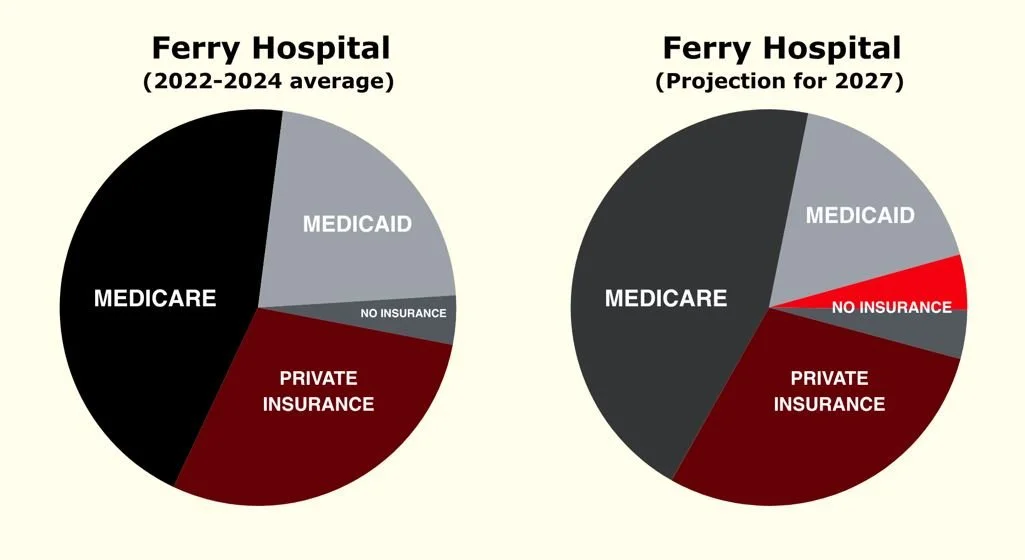
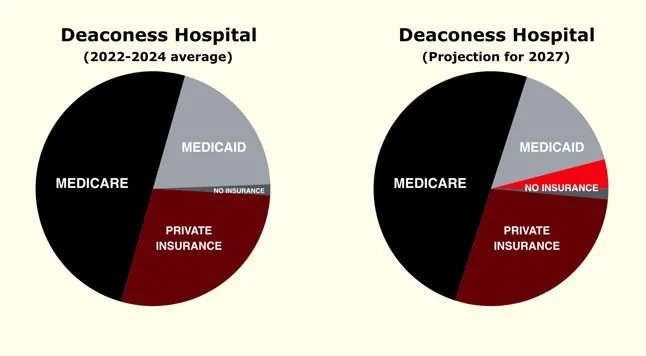
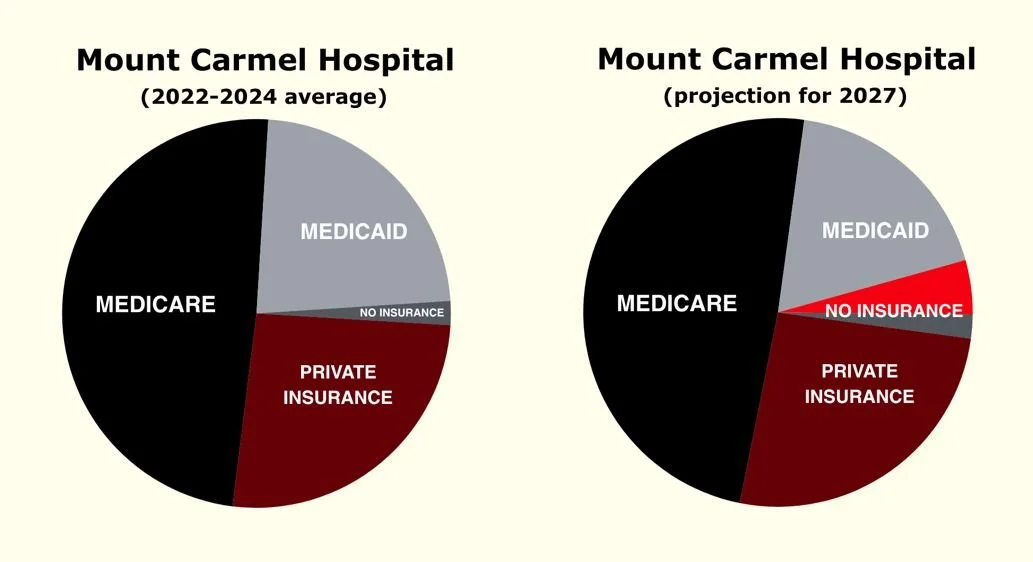
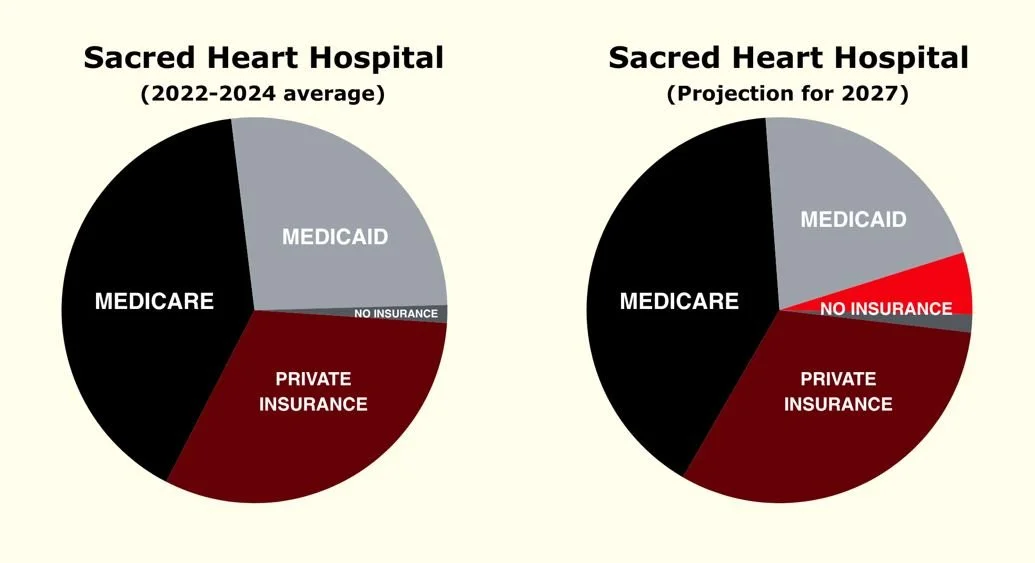
Rising Uncompensated Care
Uncompensated Care = Bad Debts + Charity Care
Due to EMTLA, hospital emergency rooms are required to provide care to anyone regardless of their ability to pay.
When a person can’t pay, this becomes charitable care or bad debt to a hospital.
Hospitals will need to make up revenue from uncompensated care through tax levy to their community or by raising their fees to privately insured patients.
Hospital compensation for public funded healthcare is set by the Centers for Medicare & Medicaid Services (CMS)

Affordable Care Act
27% of farmers rely on the ACA
To keep your insurance you must…
-
You must annually update your personal information.
-
Re-enrollment is no longer automatic. You must apply each year.
-
You must apply by December 15th which is 1 month sooner
The Tax credits that make coverage affordable expired last December.
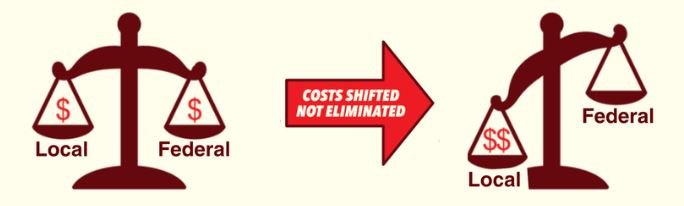
The federal government is projected to cut an estimated $1 trillion from healthcare costs over the next 10 years.
These cuts don’t stop people from seeking medical care. These cuts shift the cost of medical care onto local hospitals and the surrounding community.