Threat to Rural Communities
Your hospital is usually the largest employer in your town.
Healthcare cuts will reduce specialized services, eliminate well-paying medical jobs, and eventually force closures.
The loss of these well-paying jobs will send shockwaves through the local economy, devastating small businesses like grocery stores, banks, and diners that depend on those workers’ paychecks.
Most medical insurance agencies, hospitals, clinics and even doctors, have become for-profit business entities instead of the service organizations they were intended to be.
What’s Driving Healthcare Costs UP?
-
During World War II:
The federal government froze wages.
Employers started offering health insurance as a benefit to attract workers.
The IRS made employer health benefits tax-free.
-
When Medicare and Medicaid were created:
Millions of uninsured elderly and low-income Americans gained health insurance coverage.
All hospitals were paid on a cost basis (as defined and limited by the government).
The elimination of uninsured healthcare allowed hospitals to expand and improve services.
-
The Health Maintenance Organization Act expanded access to healthcare which encouraged a shift from fee-for-service medicine to prepaid, managed care models.
Not-For-Profit Insurance companies were allowed to become For-Profit Health Insurance companies.
-
Hospitals merged into large regional systems.
Insurers consolidated into a few dominant companies.
With fewer competitors, providers gained pricing power.
Medicare/Medicaid shifted from cost-based to fixed-fee reimbursement for large hospitals.
Due to EMTLA, hospital emergency rooms are required to provide care to anyone regardless of their ability to pay.
Private insurers often pay hospitals and clinics 150–250% of Medicare rates to compensate for services provided to the uninsured.
-
Private equity ownership in healthcare expanded rapidly buying up physician practices, emergency medicine groups, anesthesia, dermatology, nursing homes, and hospitals.
Private equity companies buy businesses, raise prices to increase their value, and then sell them
Healthcare prices are rarely posted. Unlike other products, patients often cannot shop around, delay care, or go without care, which makes it easier for providers to pass on price increases.
Medicaid Cuts Are Coming
Cuts result in understaffing, shortages and closures, which affect everyone. Without consistent access to nearby care, seniors, veterans and children go without essential services.
When people lose healthcare coverage, they are forced to avoid routine doctor’s visits. This leads to more expensive emergency room visits and hospitalizations.
-
A partnership between the federal government and states that provides medical insurance and services for children in low-income households, seniors, people with disabilities, and others with limited income. Medicaid is paid directly to care providers, not to individuals.
Why Medicaid Matters
In 2024, 8% of the federal budget was allocated to Medicaid, which serves around 80 million people, or one in five Americans.
About 1 million people in nursing homes rely on Medicaid. Funding cuts could lead to the closure of facilities, resulting in staff layoffs, homelessness for non-Medicaid residents, business losses for suppliers, and increased unemployment.
Approximately 27 million children rely on Medicaid for essential medical care, long-term support, and disability services. Many of these critical services could disappear, exposing children to preventable diseases and leaving families of disabled children to navigate challenges without necessary support.
Pregnancy care for low-income individuals will be reduced, resulting in more avoidable infant deaths and maternal deaths from pregnancy complications.
Hospitals and doctors won't be reimbursed for services to low-income individuals who can't pay, shifting costs to other patients and insurers. This will lead to higher expenses for all seeking care, and if costs can't be absorbed, hospitals will have to limit services, cut staff, or close, especially in rural areas.
States will have to find funds to continue Medicaid services, leading to higher state income and/or sales taxes.
-
The recently passed “Big Beautiful Bill” includes major reductions to federal support for long-term care. Here's what’s at risk:
Fewer beds and longer waitlists
Reduced services and staff shortages at local facilities
Closures of smaller care homes in surrounding counties
Increased reliance on private-pay models, leaving many families behind
What You Can Do—Starting Today
1. Start the Conversation Early
Talk with your loved ones about care preferences, finances, and legal documents. Ask:Where would they want to go if care is needed?
Have they saved enough?
Do they qualify for Medicaid?
Is there a power of attorney or advance directive in place?
2. Build a Financial Safety Net
Consult a local elder law attorney—many offer free or sliding-scale consultations
Explore long-term care insurance options
Understand Medicaid eligibility and asset protection strategies
3. Research Facilities Before Crisis Hits
Identify which Spokane-area facilities still accept Medicaid
Ask about waitlists and closure risks
Tour locations and talk to staff
4. Consider Private Pay Entry Points
Some facilities offer faster admission if you can pay privately for the first year
Ask about hybrid models or phased payment plans
5. Prepare for Home-Based Alternatives
Build a care network of family, friends, and neighbors
Explore Spokane’s home care services, respite programs, and caregiver support groups
Check with Aging & Long-Term Care of Eastern Washington (ALTCEW) for regional resources
-
Affordable Care Act
27% of farmers rely on the ACA
To keep your insurance you must…
-
You must annually update your personal information.
-
Re-enrollment is no longer automatic. You must apply each year.
-
You must apply by December 15th which is 1 month sooner
The Tax credits that make coverage affordable expired last December.
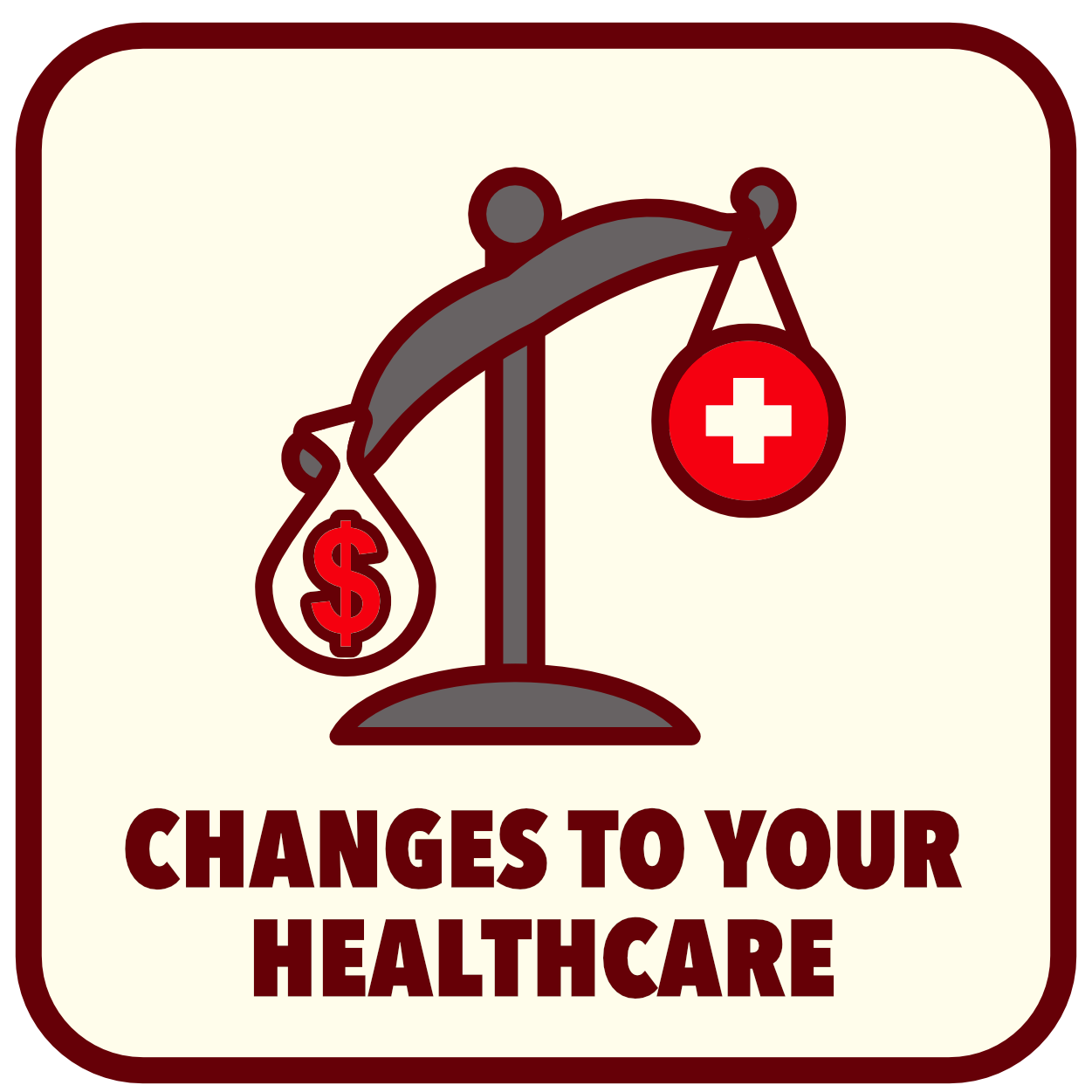
The federal government is projected to cut an estimated $1 trillion from healthcare costs over the next 10 years.
These cuts don’t stop people from seeking medical care. These cuts shift the cost of medical care onto local hospitals and the surrounding community.
Getting Priced Out of Health Insurance?
There may be hope!
Washington law requires hospitals to offer some charity/discounted care based on income. Washington State and local Palouse area organizations offer some resources help to guide you through options and/or accessing care, if your health insurance has become unaffordable.
WHAT TO SAY
“I live in rural eastern Washington and I’m being priced out of my health insurance. My coverage is no longer affordable, and I need help understanding all my options.”
KEY QUESTIONS TO ASK
“Do I qualify for Apple Health based on my income?”
“Do I qualify for a special enrollment period?”
“What is the lowest cost plan if I anticipate needing care and prescriptions?”“Are there local programs in my community that can help if I become uninsured?”
State & Local Resources for HELP
-
1 (855) 923-4633 (1-855-WAFINDER)
-
1 (800) 562-3022
-
1 (844) 461-4436
-
835 SE Bishop Blvd, Pullman | (509)32-2541
-
1200 W. Fairview St., Colfax | (509)397-3435
-
1205 SE Professional Mall Blvd #203, Pullman | (509) 332-6752
-
340 NE Maple St, Pullman | (509) 334-1133
-
350 SE Fairmont Dr #1, Pullman | (509) 334-9147
-
226 E. Main St., Pullman | (509)715-1111
IF YOU OR SOMEONE YOU LOVE IS EXPERIENCING A MENTAL HEALTH CRISIS
CALL: 988
For every dollar, 70 cents goes toward care.
“Health care as two words refers to provider actions. Healthcare as one word refers to the system.
“We need to have the second in order to have the first””
After World War II, the United States helped rebuild the healthcare systems of Germany and Japan .
Reasoning: A healthier population can be a powerful tool for capturing the goodwill of the residents.